
Sensory Branding in Hospitality
How Neuroscience Drives Guest Experience, Loyalty and Revenue

The Shift from Service to Sensation
Hospitality is no longer competing on product alone.
Food can be replicated. Interiors can be copied. Pricing can be matched.
What cannot be easily replicated is how a guest feels in your space.
Sensory branding in hospitality has become a defining factor in how venues attract, convert and retain customers. It shapes perception before a guest consciously evaluates the experience, influencing everything from spend to loyalty.
In a market where guests are dining out less frequently but spending more per visit, the opportunity is no longer volume. It is value.
What is Sensory Branding
in Hospitality?
Sensory branding in hospitality is the strategic use of sight, sound, scent, taste and touch to influence how a brand is perceived and experienced.
It goes beyond aesthetics and into psychology. Every element of your venue sends signals to the brain. These signals determine whether your brand feels premium, forgettable, chaotic or considered.
When sensory branding is aligned, the experience feels effortless. When it is not, even strong individual elements fail to create impact.
Understanding sensory
branding is one thing.
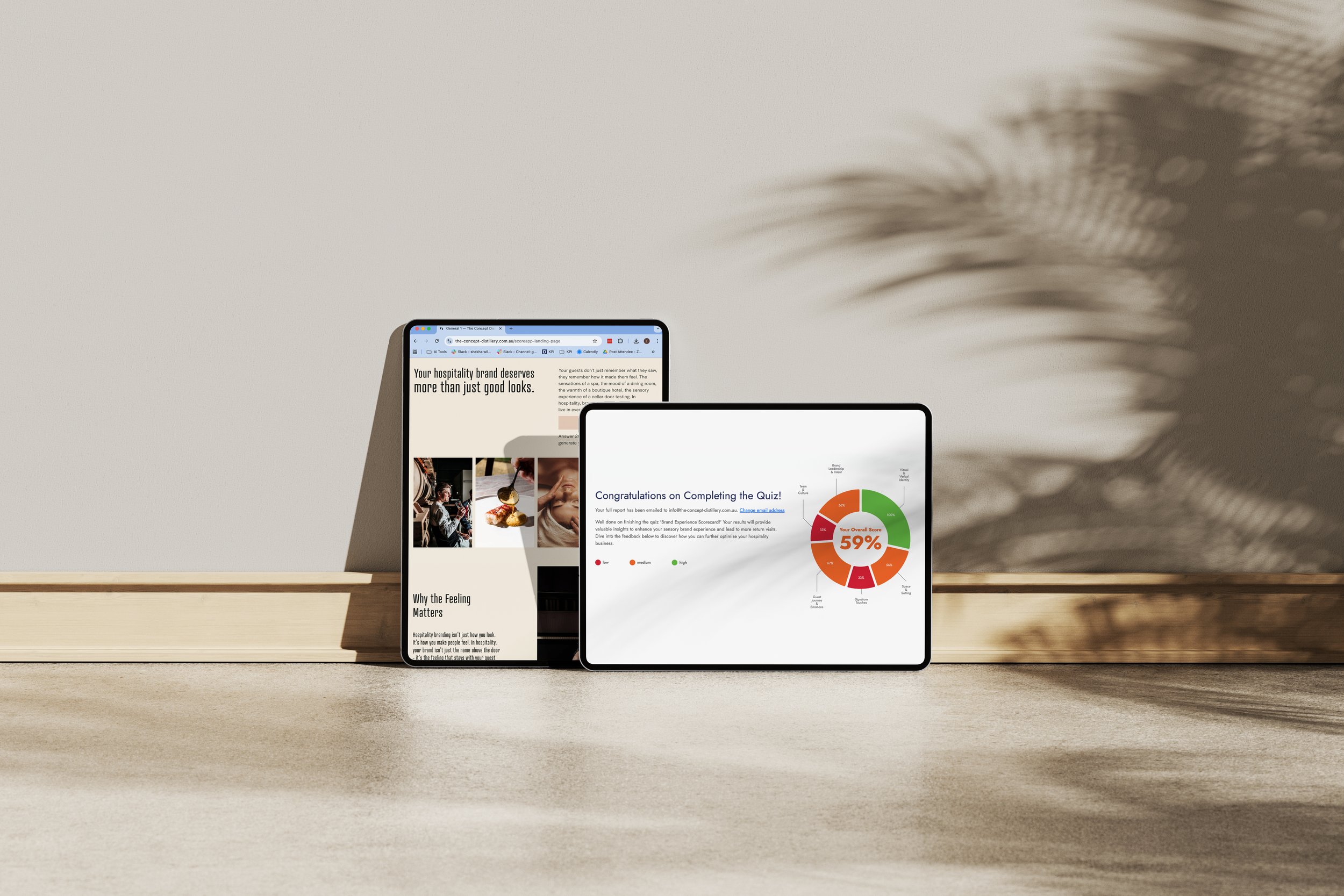
Knowing how your brand performs in practice is another.
The Neuroscience Behind Hospitality Branding
Guest behaviour is driven less by logic and more by subconscious processing.
The brain forms impressions quickly, using sensory input to determine how it feels about a space. This happens before a guest consciously evaluates the food, service or price.
EMOTIONAL MEMORY
The brain encodes experience through feeling, not fact. Guests remember how your space made them feel long after they've forgotten what they ordered or what they paid. Positive emotional responses, triggered by atmosphere, service tone, and sensory detail, are what drive return visits and word-of-mouth referrals.
Explore how experiential branding creates these emotional connections →
COGNITIVE FLUENCY
The brain prefers experiences that are easy to process. When your menu language, interior design, service style and brand voice all speak the same language, guests feel at ease without knowing why. That sense of ease translates directly into confidence, and confident guests make faster decisions, spend more freely, and leave feeling satisfied rather than overstimulated.
See how cohesion across branding, interiors and food concepts creates this effect →
ANTICIPATION
Perception begins before the first bite, the first sip, or the first interaction. The way a dish is described on a menu, how a space is lit on arrival, the scent that greets a guest at the door, all of these prime the brain to expect quality. When anticipation is designed deliberately, perceived value increases before you've delivered a single thing.
Read how sensory branding increases guest spend without raising prices →
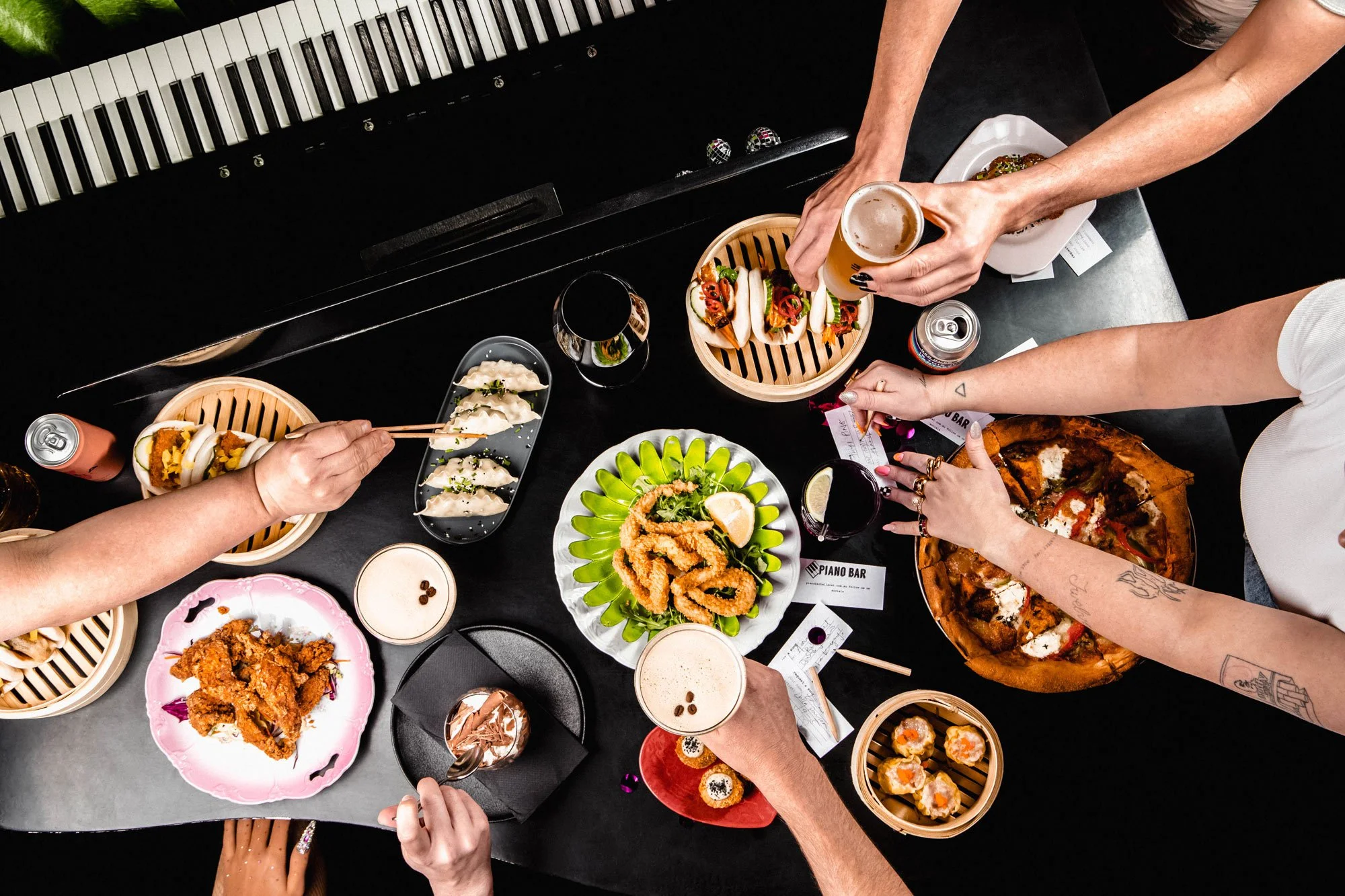
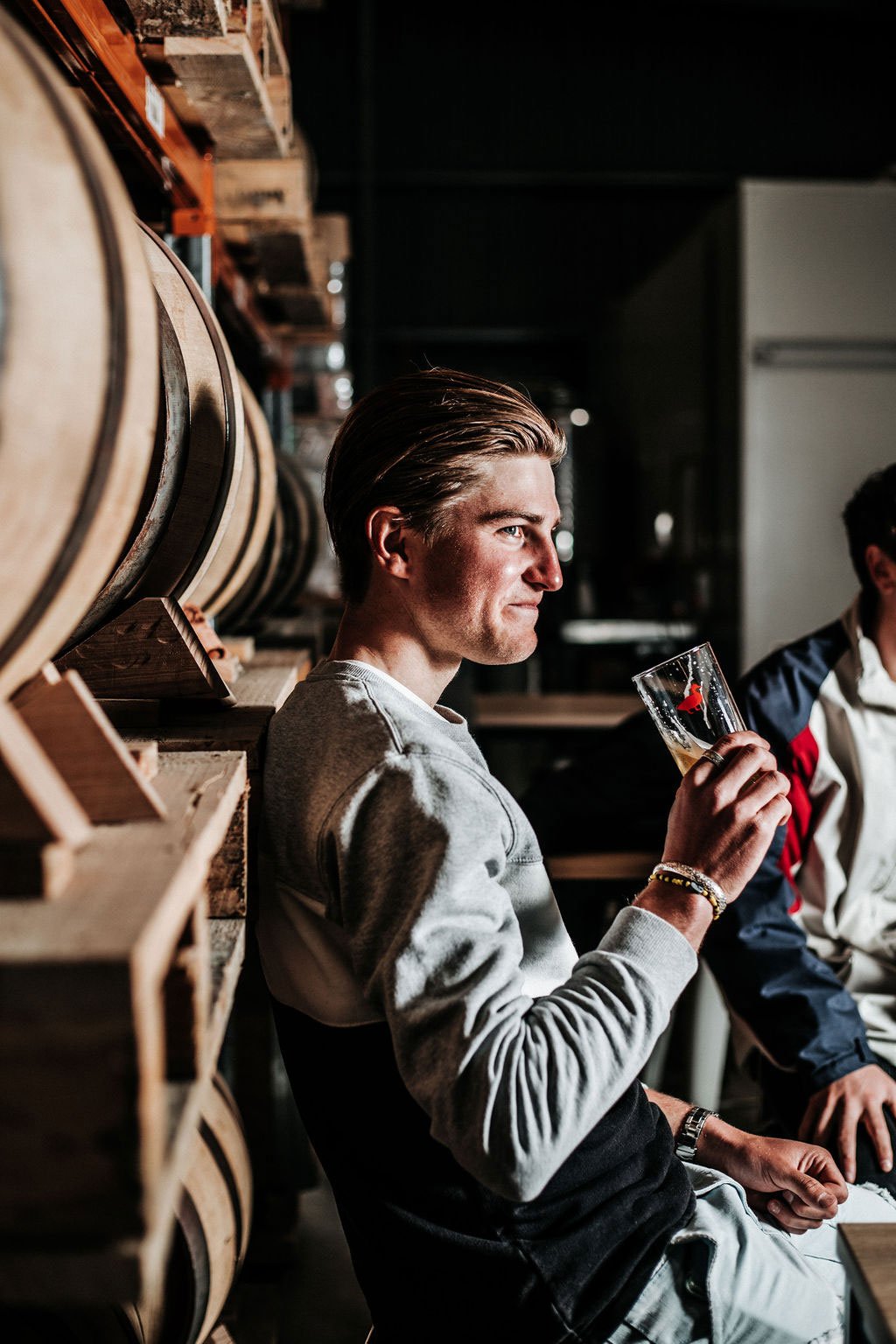
Sight: Shaping First Impressions
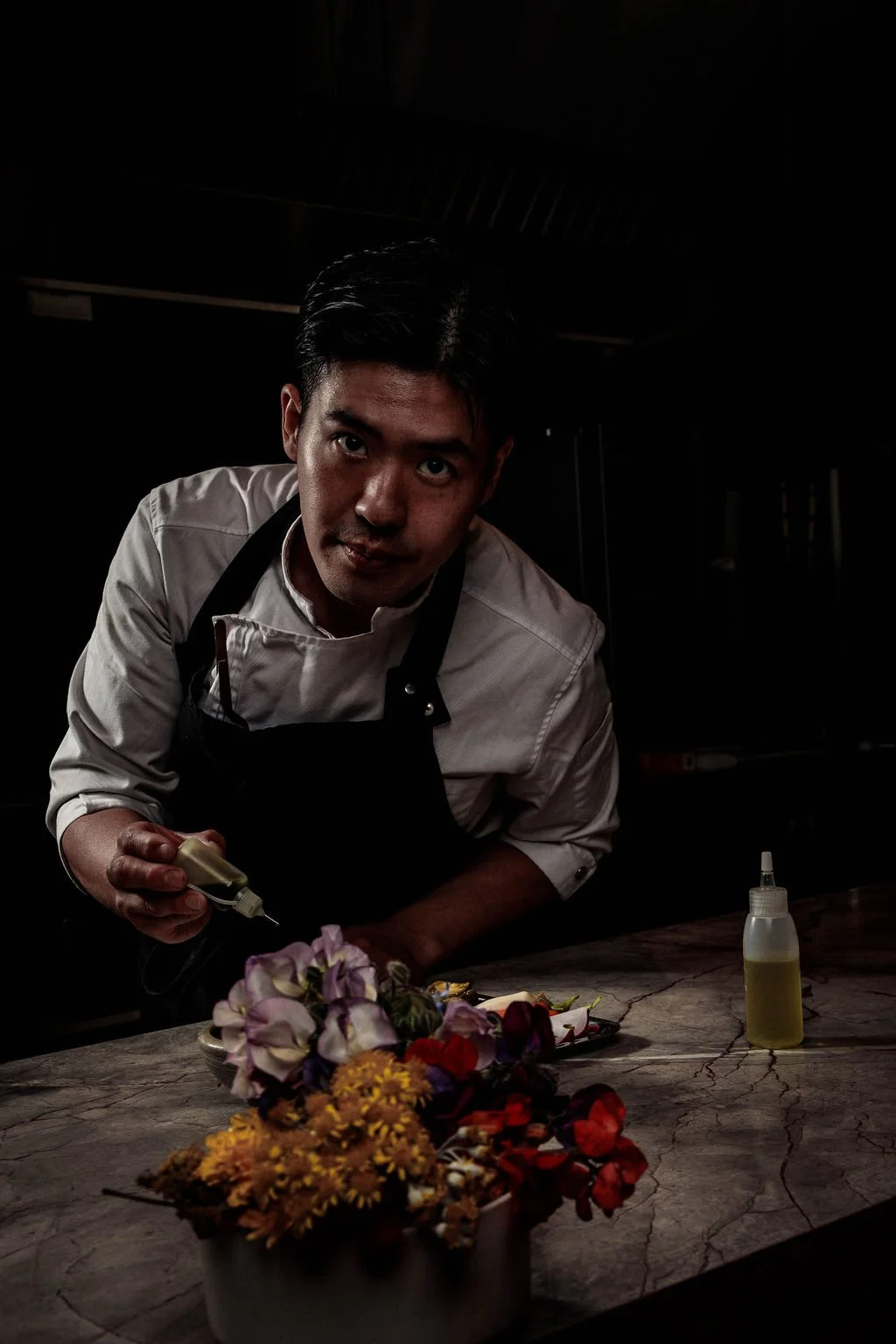
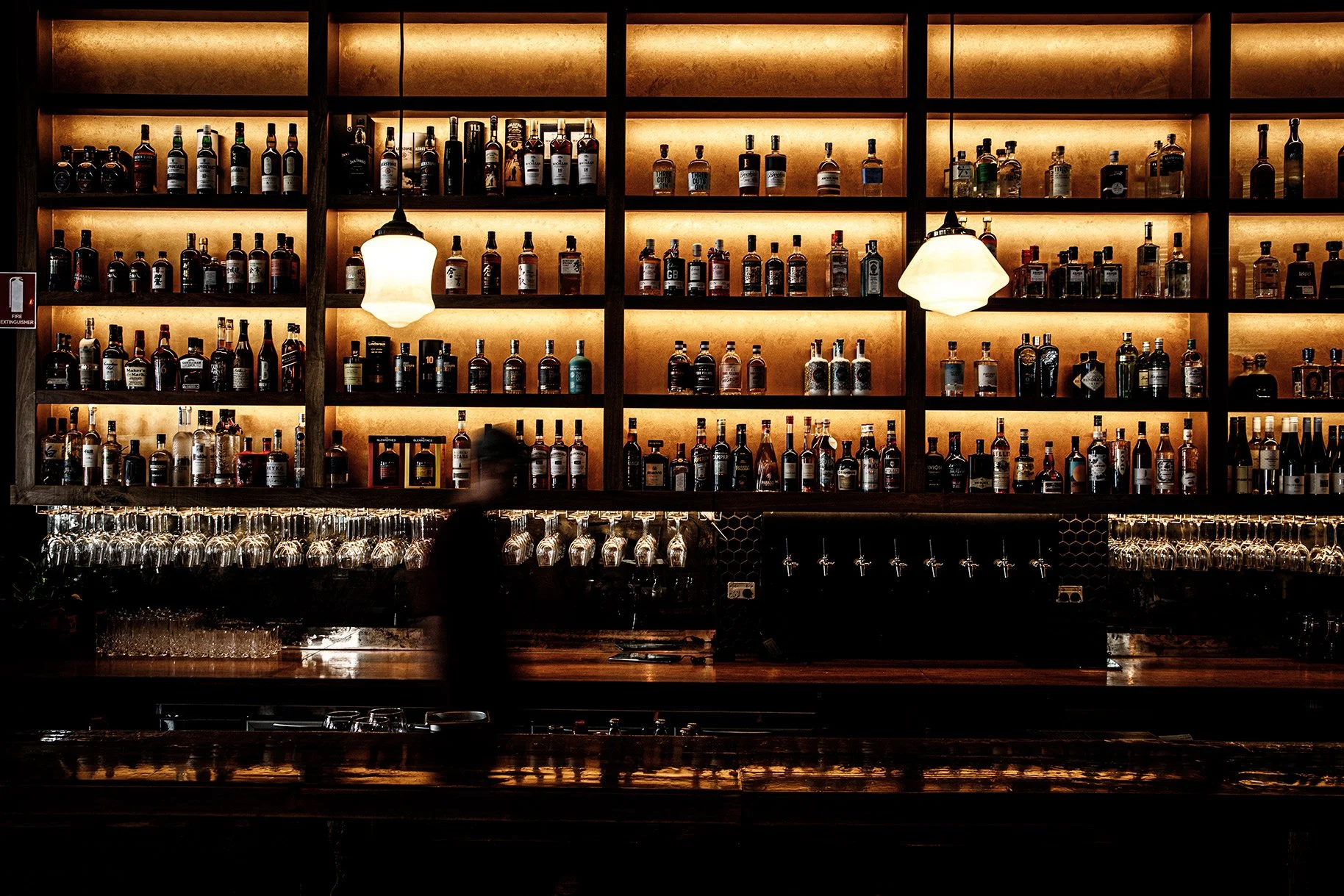
This isn’t just a business, it’s a reflection of what we believe in. We’re here to create work that matters, led by a shared commitment to quality and care.


Sound: Controlling Pace and Mood
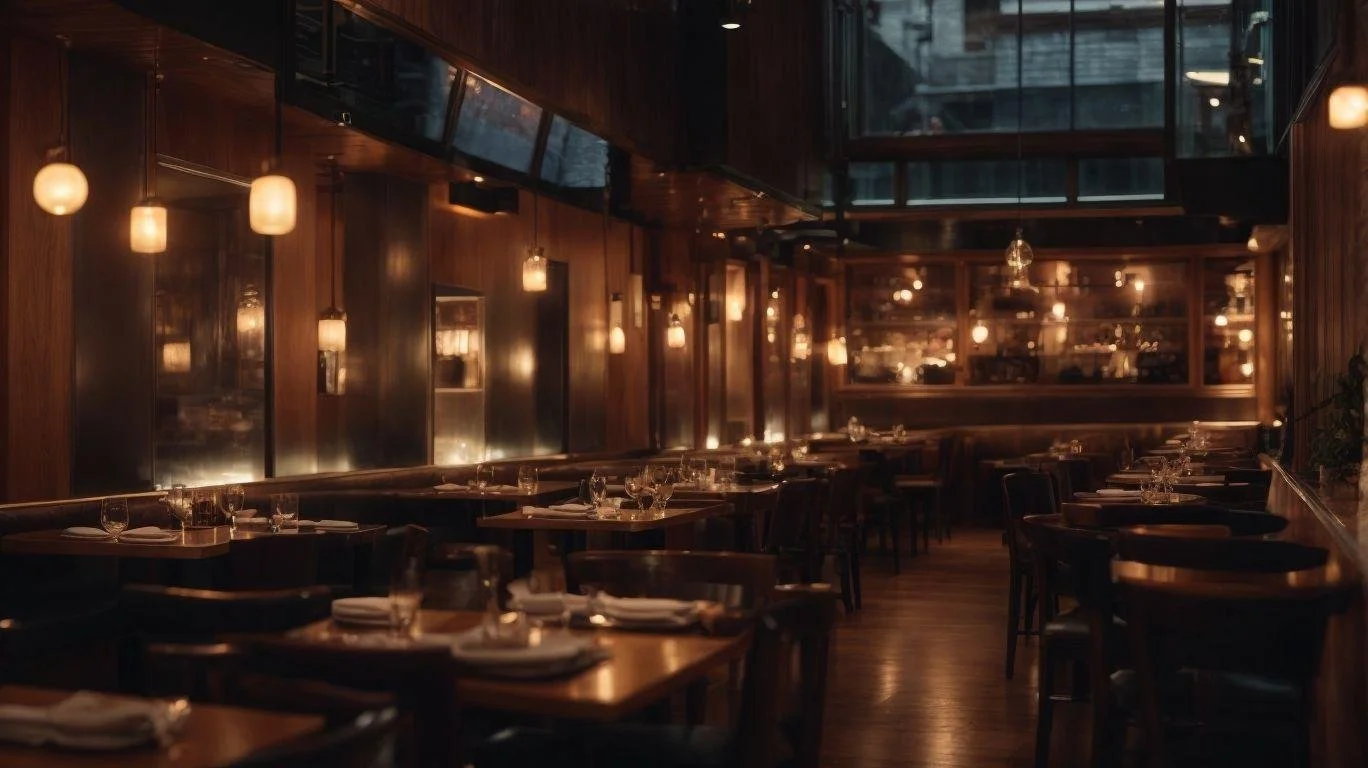
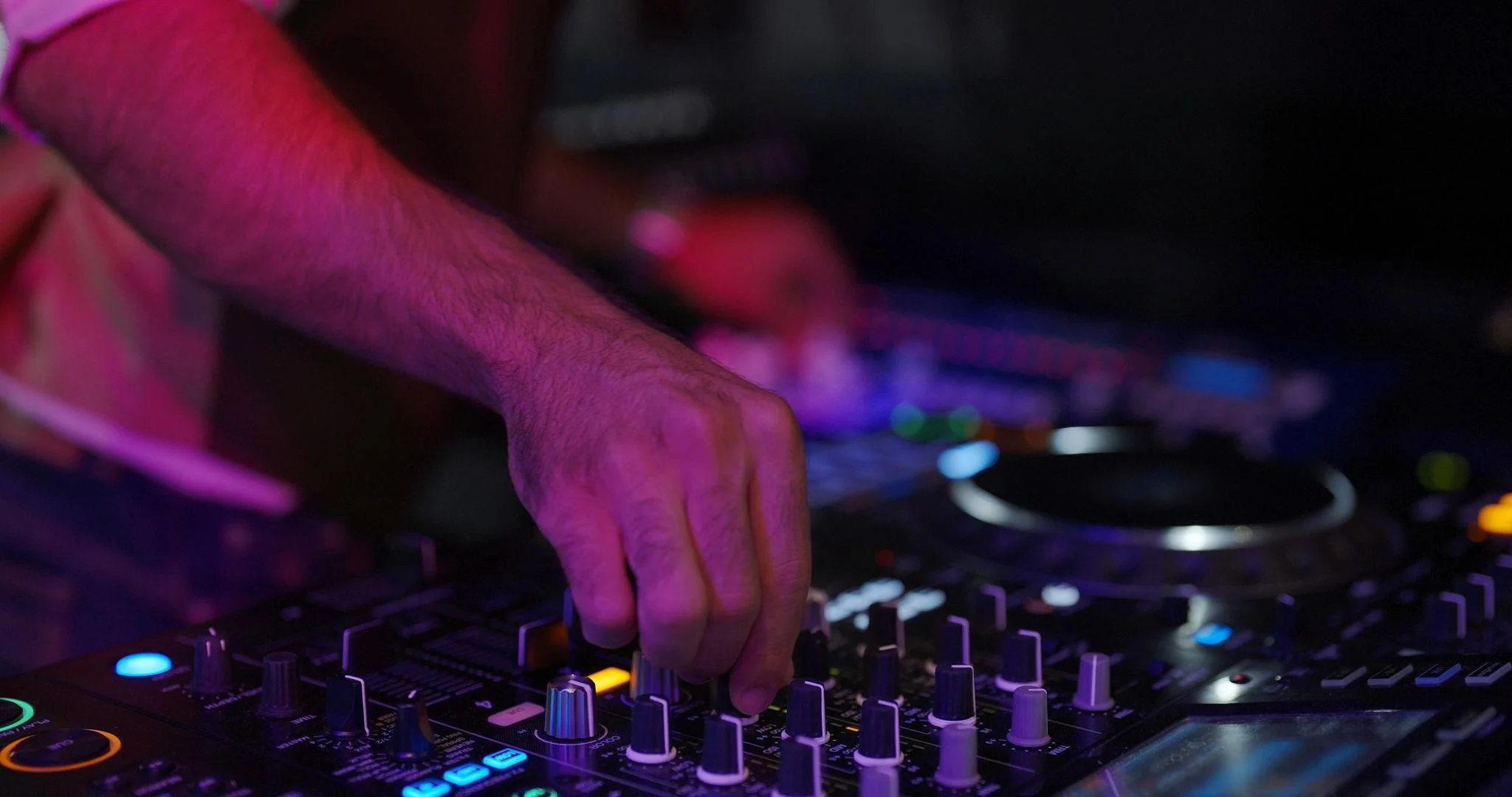
Sound plays a subtle but powerful role in shaping behaviour. Music tempo influences how long guests stay, while volume and style affect perceived quality. A considered sound environment supports both brand identity and revenue outcomes.
Scent: Building Memory and Connection
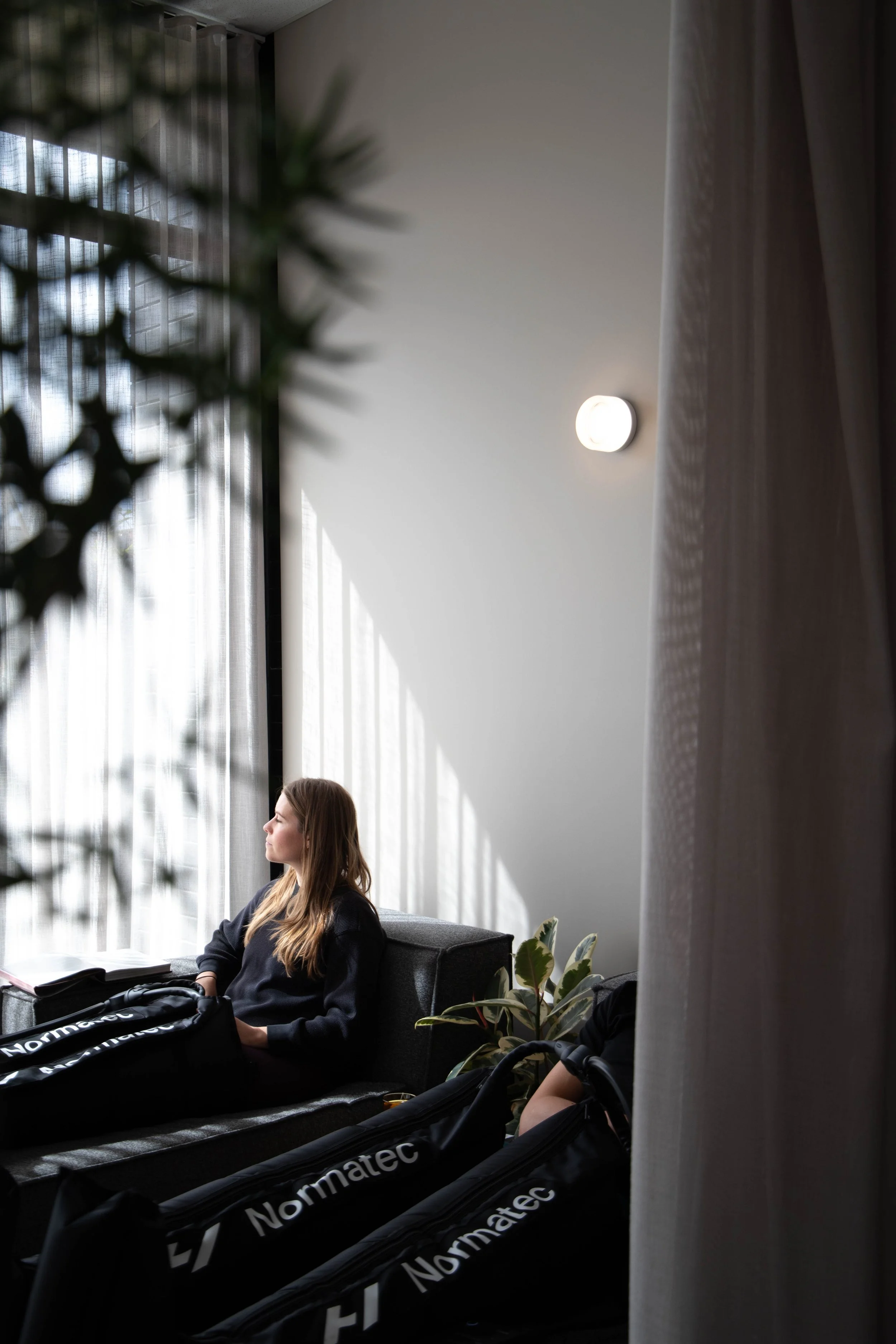
Scent has a direct link to memory centres in the brain. A distinctive or well-managed scent can create strong emotional associations and improve brand recall long after the visit.

Taste: Influenced Before the First Bite
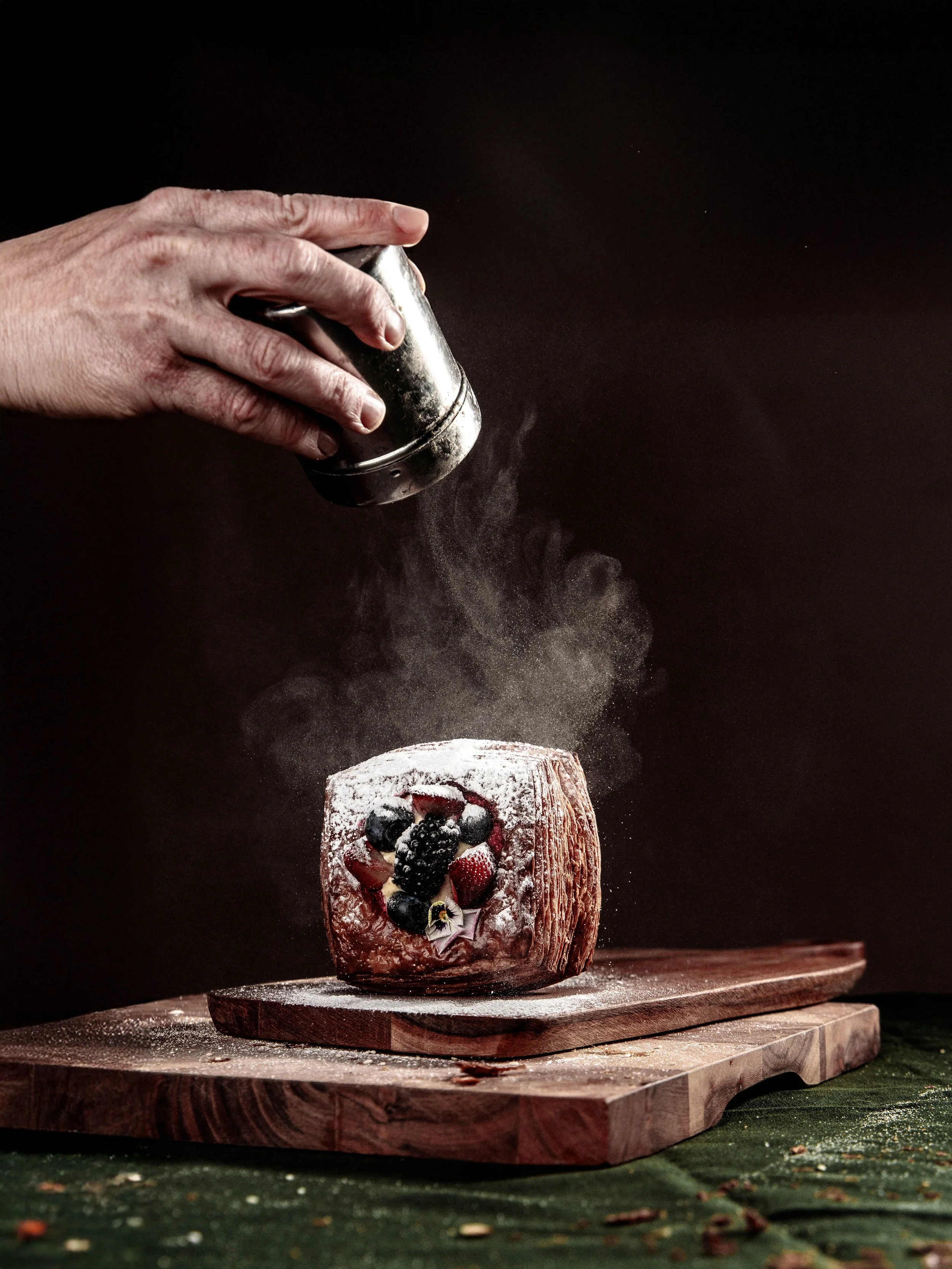
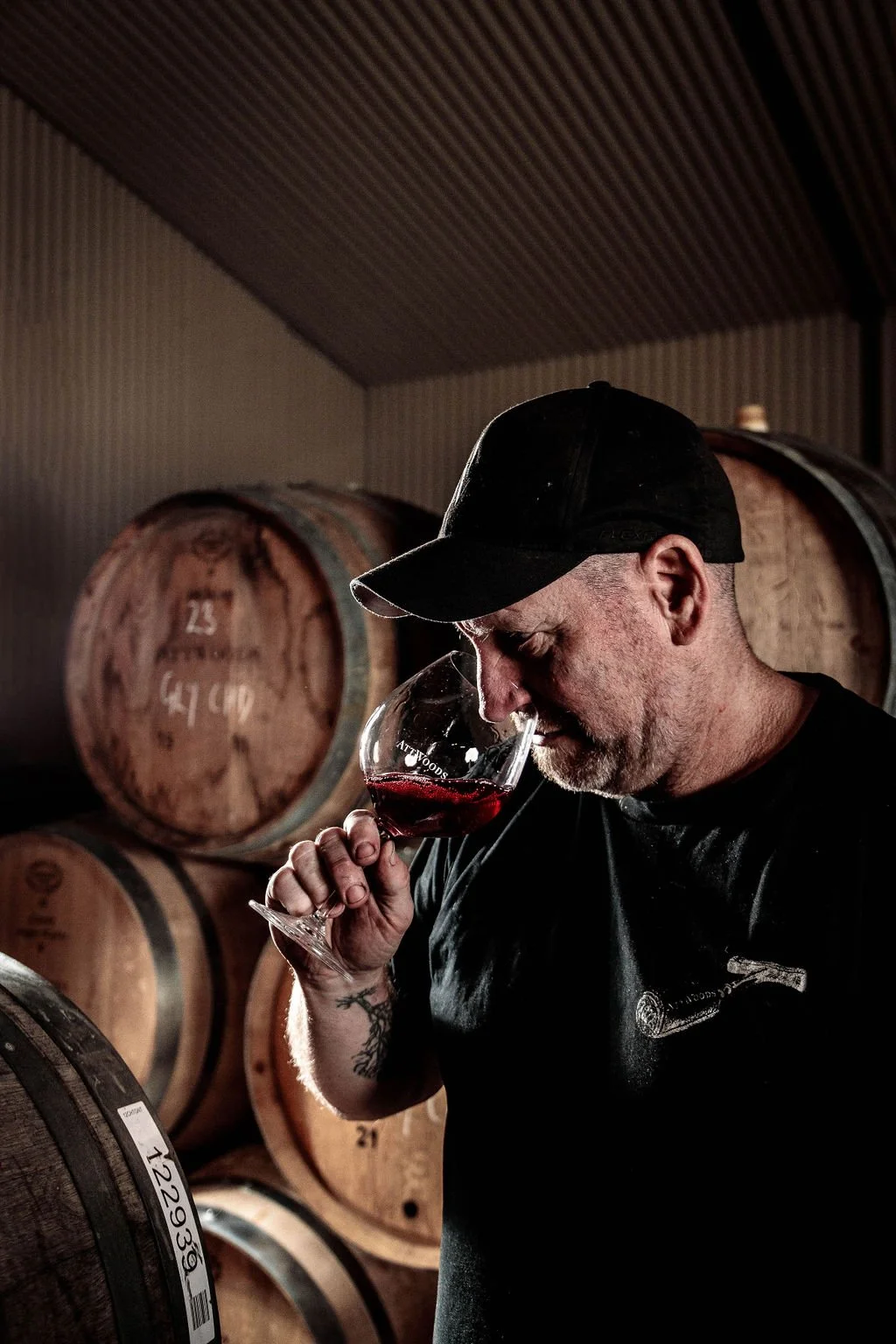
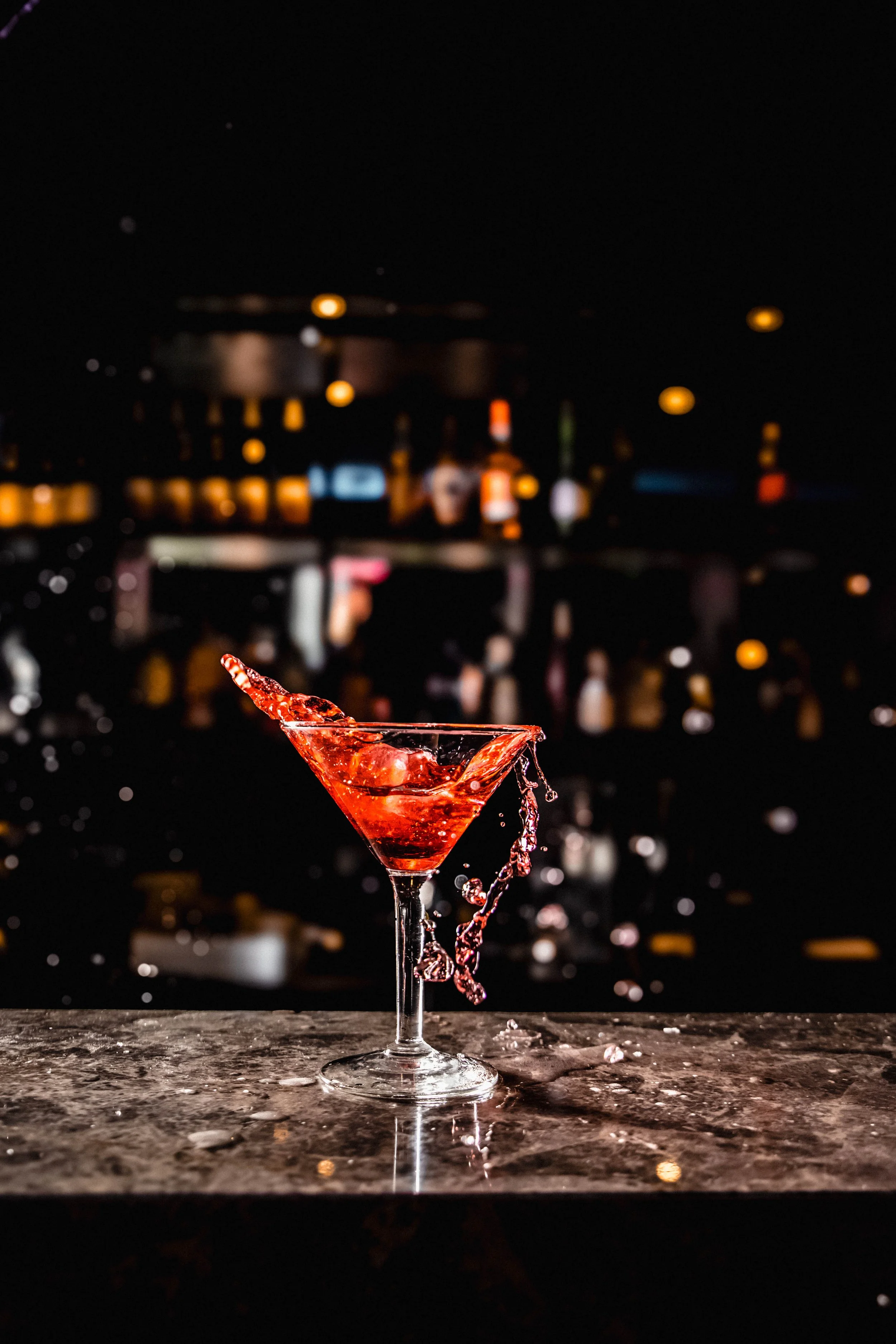
Taste perception is shaped by expectation. Menu language, presentation and pricing all influence how a dish is experienced. Guests interpret taste through context as much as through flavour.

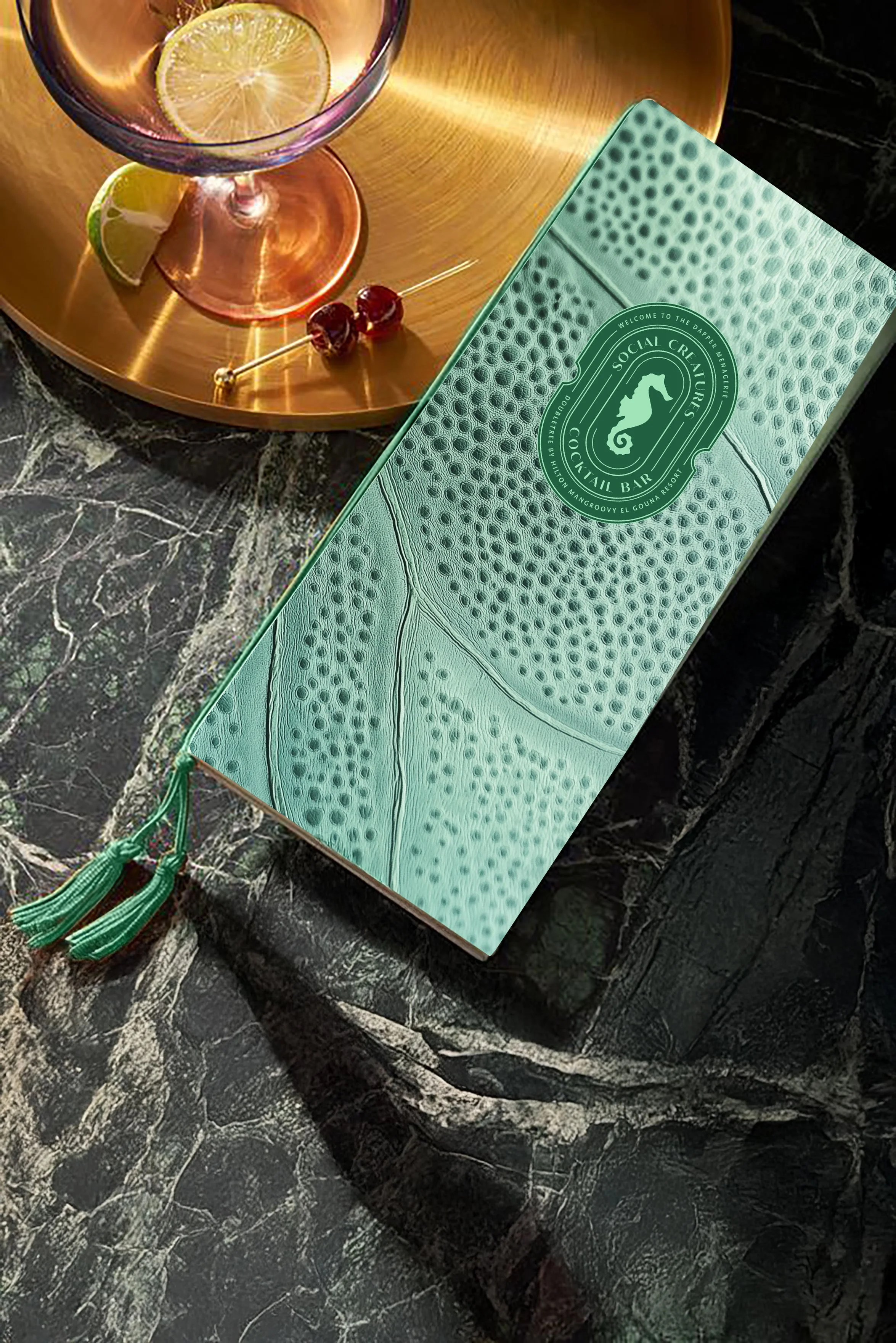
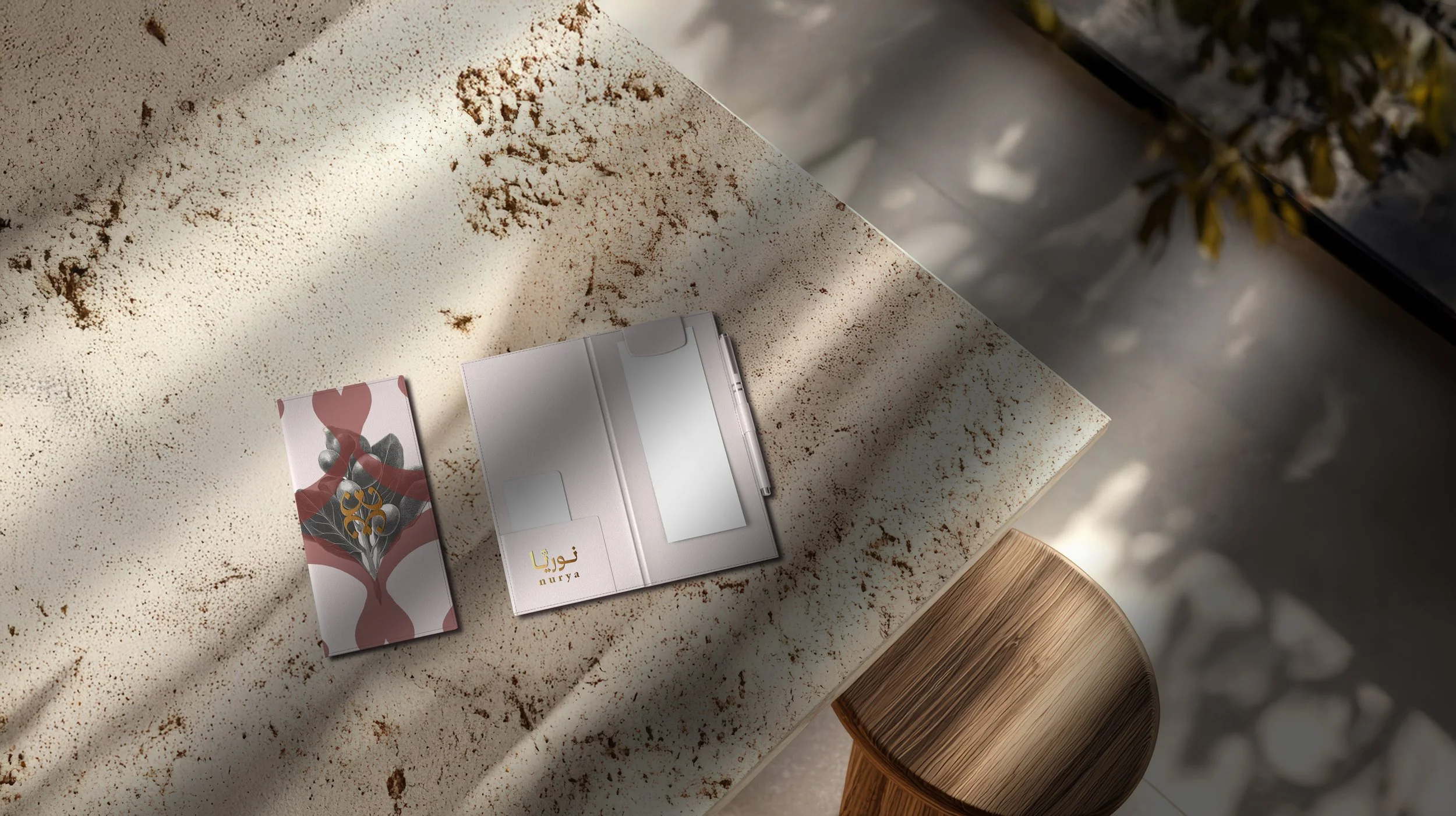
Touch: Reinforcing Quality
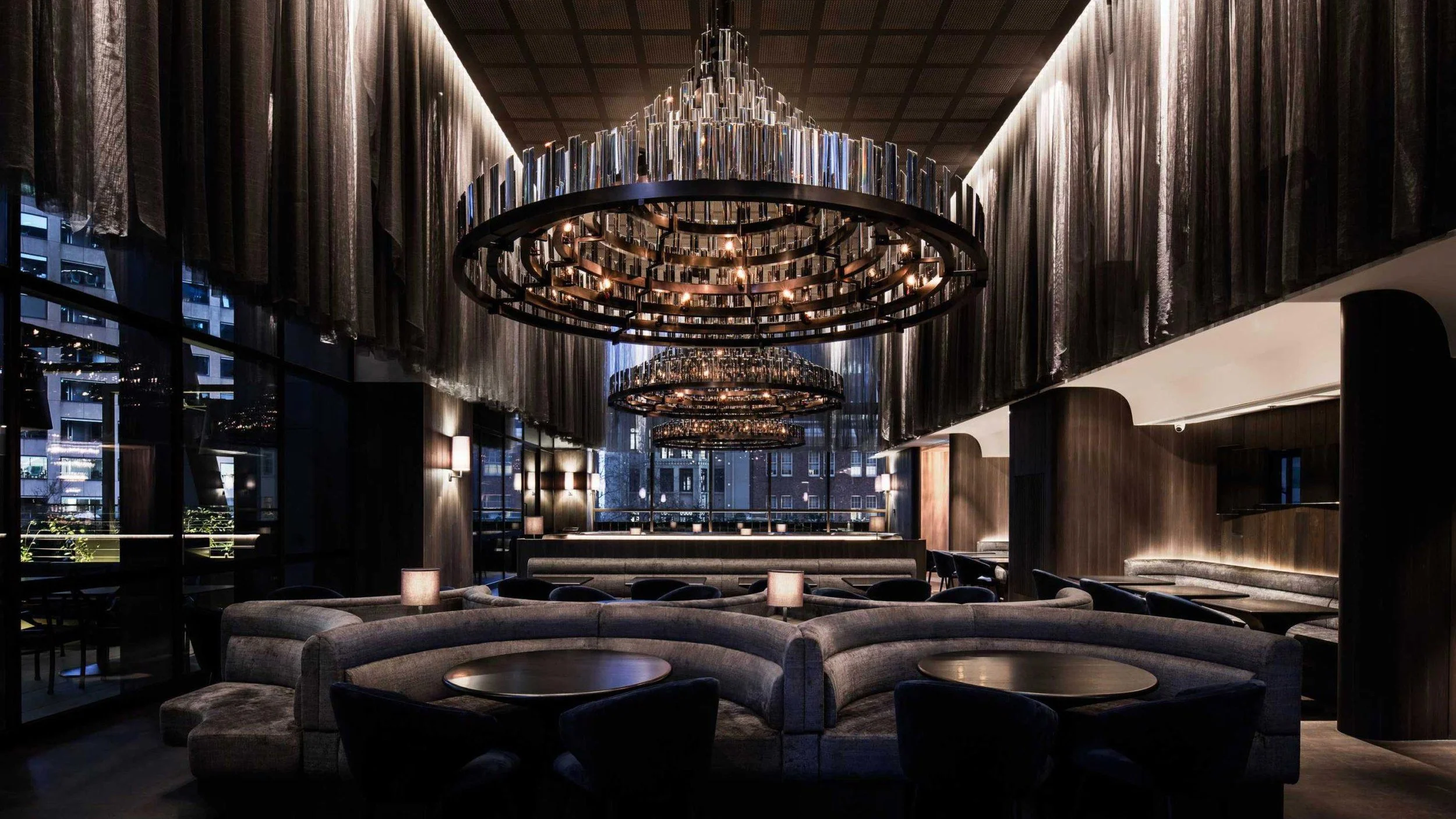
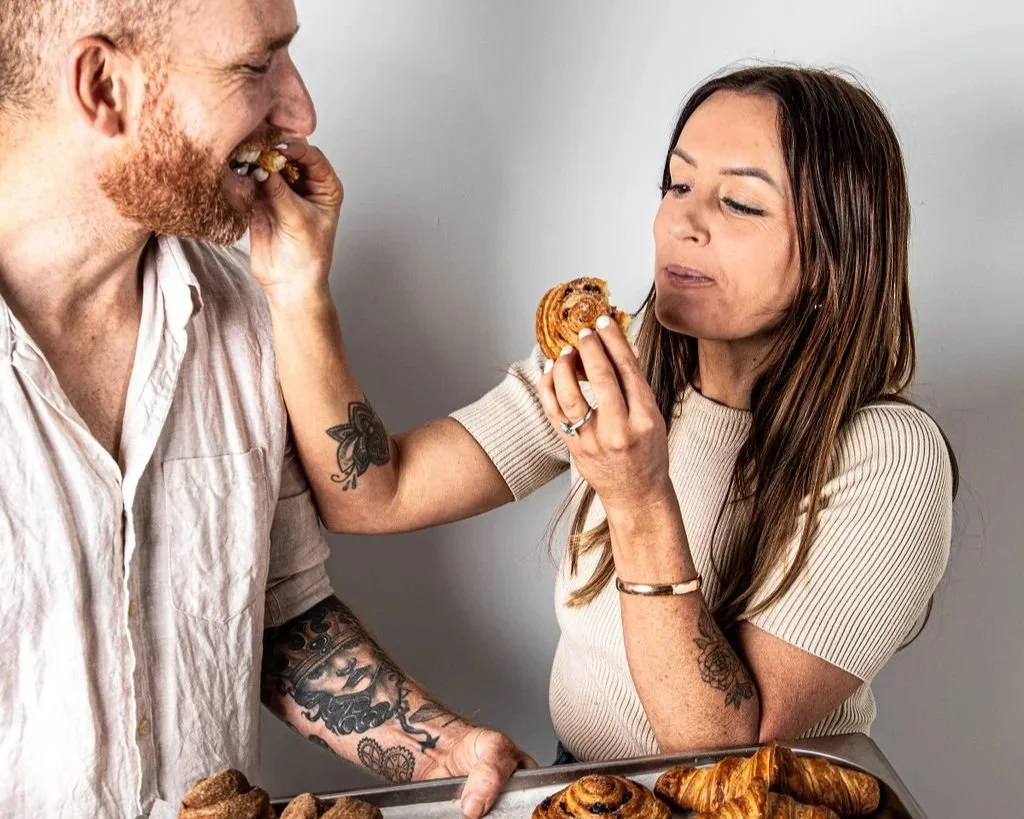
Physical interaction with materials, from seating to tableware, reinforces perceived quality. Texture communicates value in a way that is often overlooked but highly effective.


Why Experiential Hospitality Branding Matters
Experiential hospitality branding brings all of these elements together into a cohesive system.
Guests are no longer choosing venues based solely on food or price. They are choosing based on how a place makes them feel and whether that experience is worth repeating.
Brands that invest in experience design create:
stronger emotional connection
higher perceived value
increased customer loyalty
Those that do not often rely on discounting and volume to compete.
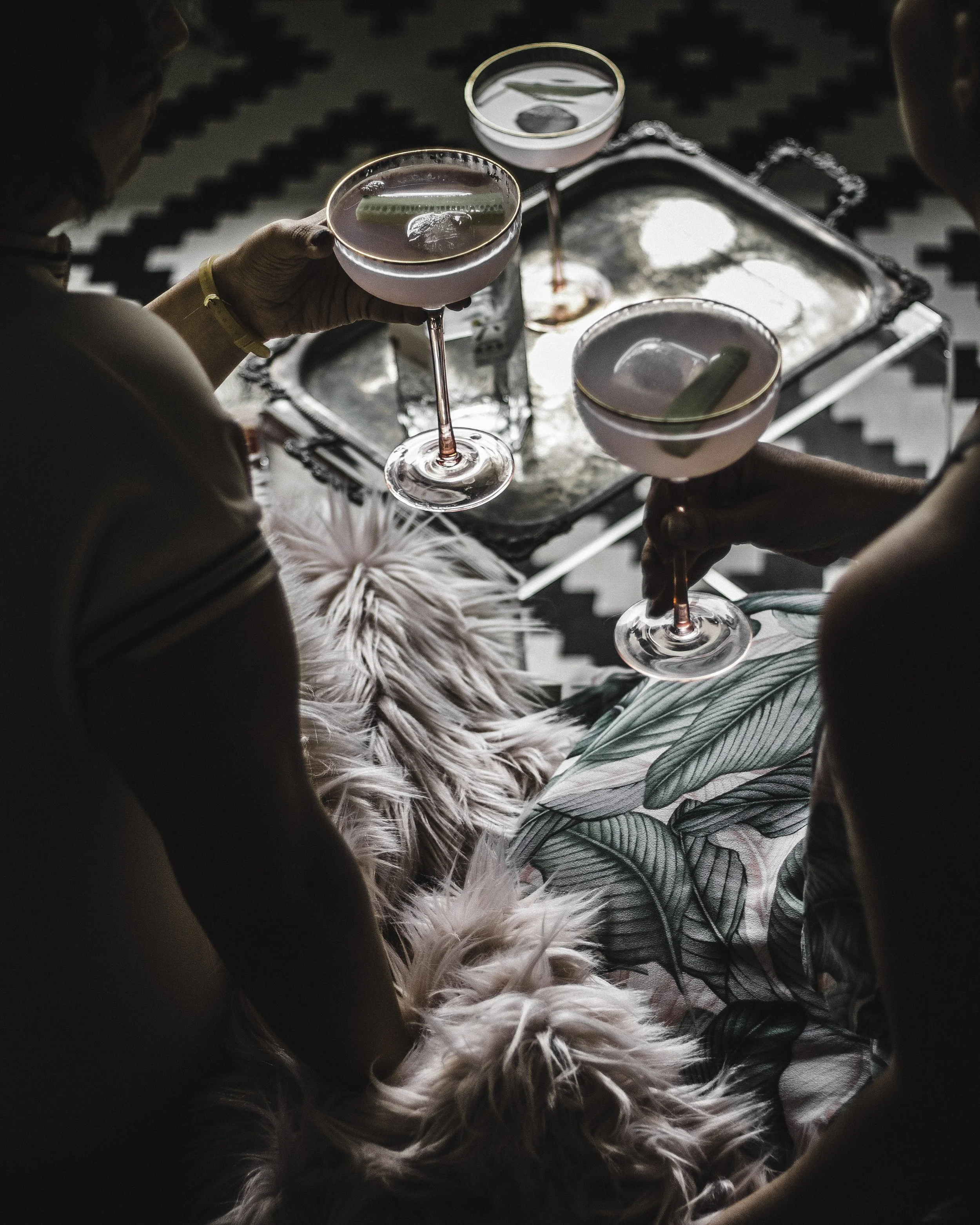
From Experience to Revenue
There is a direct relationship between how a guest feels and how they behave.
When the experience is well designed, guests:
stay longer
spend more
return more often
recommend the venue
This makes sensory branding and neuroscience not just creative considerations, but commercial strategies.
Read abut The Lipstick Effect in Hospitality
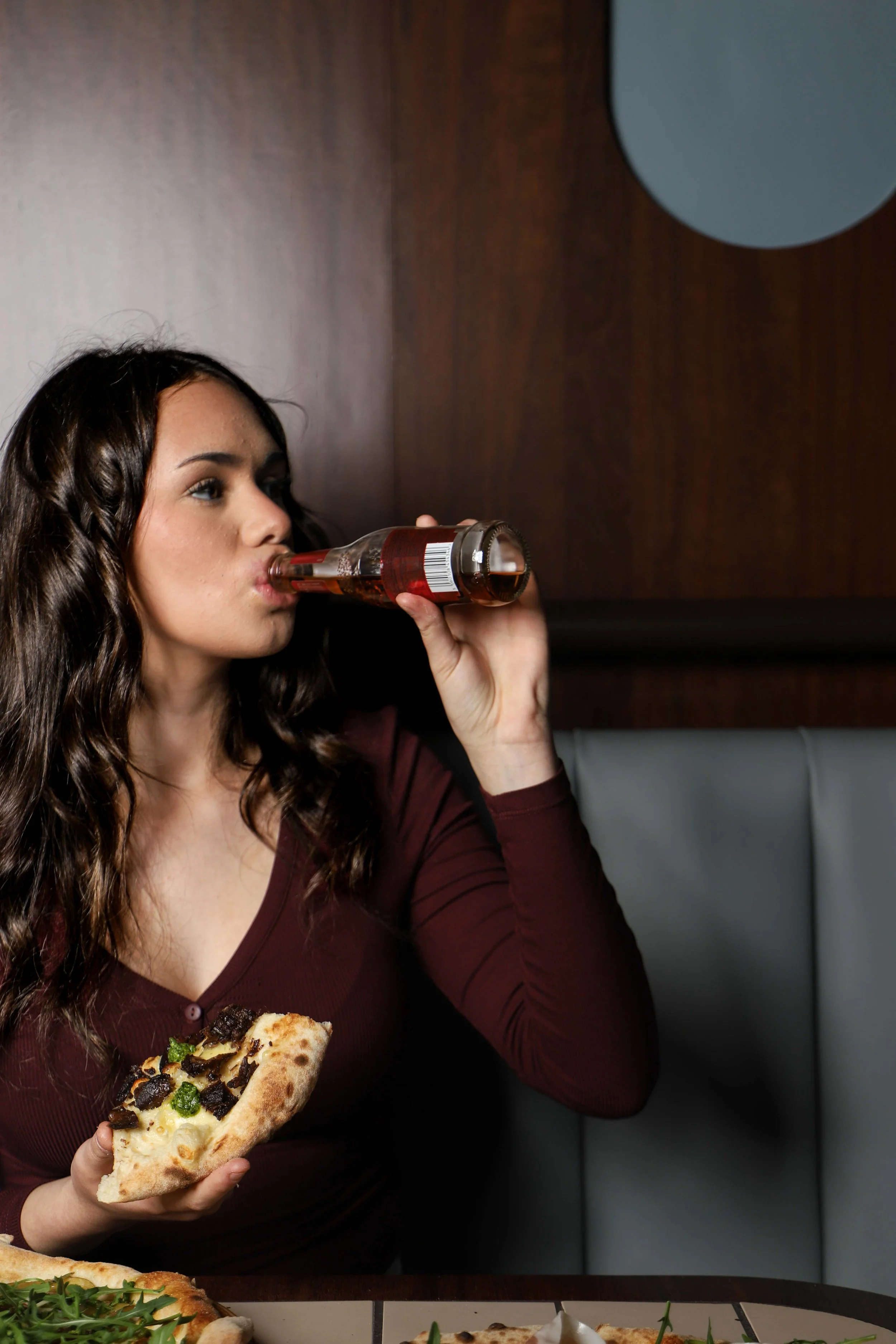
Leading Sensory Branding in Hospitality
As the industry becomes more experience-driven, hospitality businesses are increasingly turning to sensory branding and neuroscience to differentiate and grow.
At The Concept Distillery, we work with hotels, restaurants and lifestyle venues to translate brand strategy into multi-sensory experiences that connect with guests and deliver measurable results.
Why Strategy-Led Branding Always Wins →

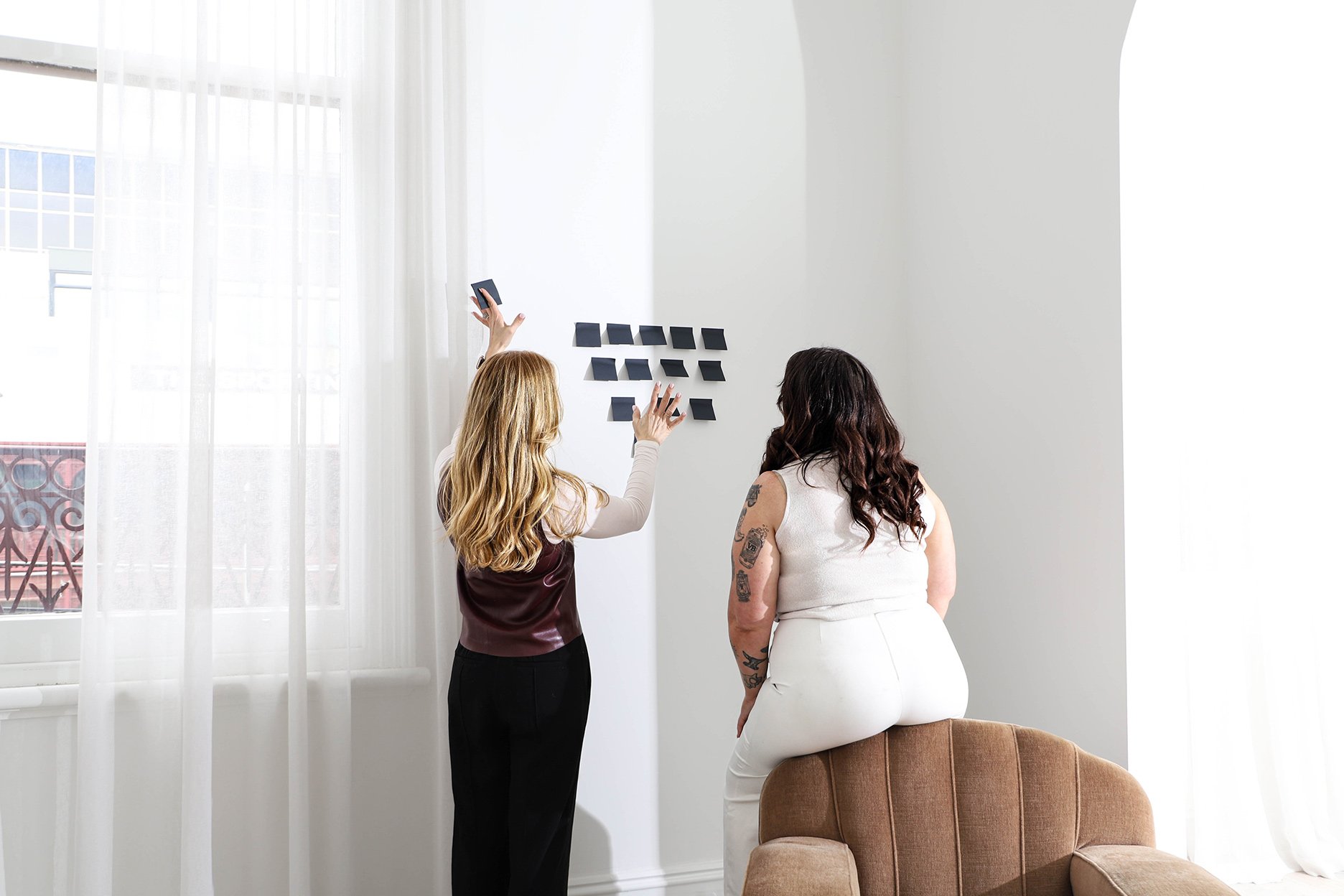
Start With Clarity
Most venues do not need a complete overhaul. They need a clear understanding of what is working, what is not and where the opportunity lies.
Take the Brand Experience Scorecard to receive a personalised snapshot of your brand across strategy, sensory experience and guest perception.