

Sensory Branding in Restaurants: How to Increase Guest Spend Without Raising Prices
Raising prices isn’t the only way to increase revenue in hospitality.
In fact, the most successful venues are doing the opposite, they’re increasing perceived value.
This is where sensory branding in restaurants becomes a commercial advantage.
By intentionally designing what guests see, hear, smell and feel, you influence how much they:
spend
stay
return
What is Sensory Branding in Restaurants?
Sensory branding in restaurants is the strategic use of the five senses to shape guest perception and behaviour.
It moves beyond aesthetics and into:
psychology
neuroscience
emotional connection
When done well, it creates an experience that feels:
effortless
elevated
worth paying more for
How Sensory Branding Increases Spend
1. Lighting Influences Perceived Value
Warm, low lighting signals:
intimacy
quality
premium positioning
Brighter lighting:
speeds up turnover
reduces perceived luxury
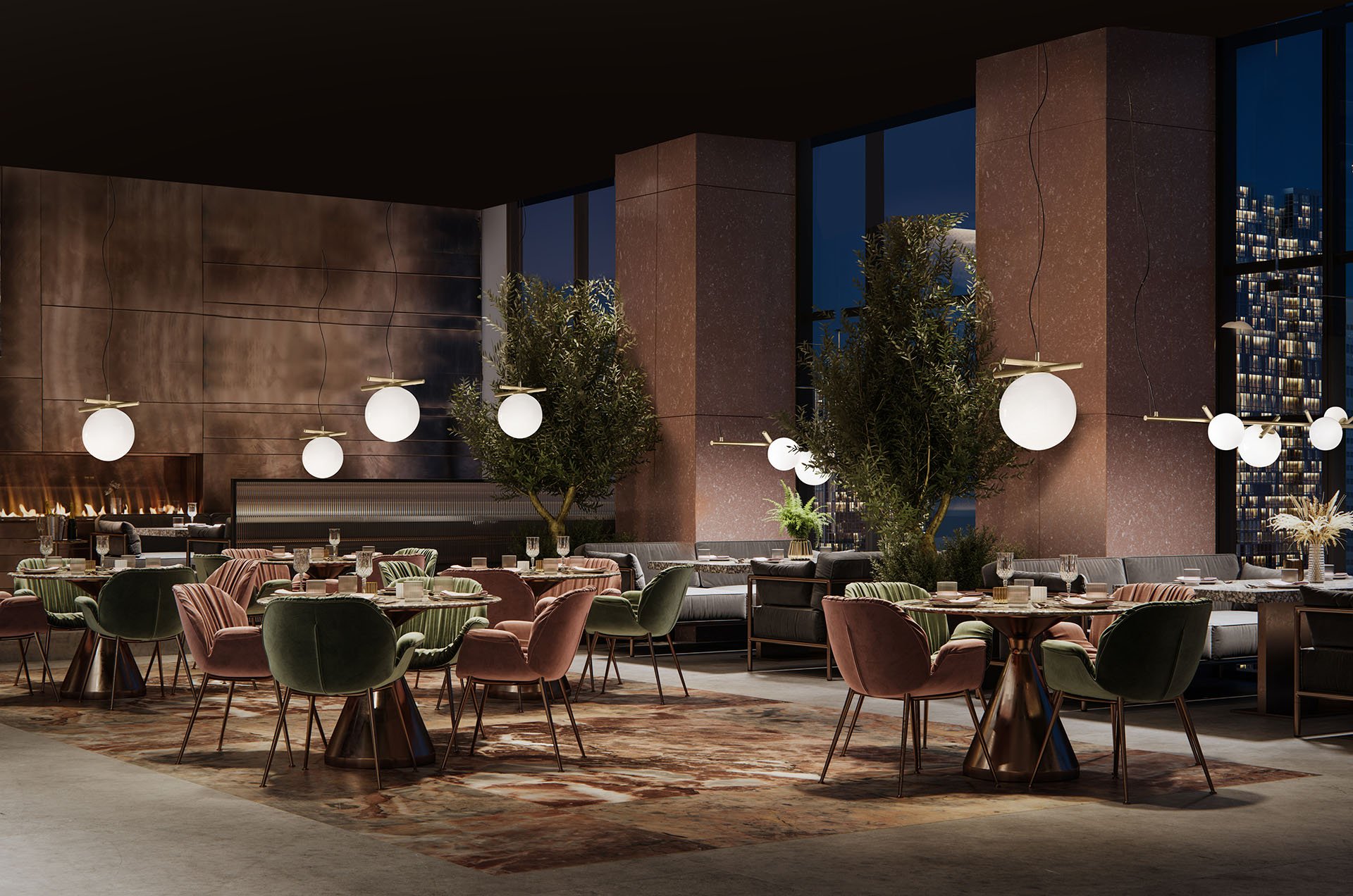
Posy Restaurante by Massiero
2. Menu Language Drives Higher Orders
Descriptive menu copy increases perceived taste and value.
Instead of: “Tomato Pasta”
Use: “Slow-roasted tomato rigatoni with basil and aged parmesan”
Same dish. Higher perceived value.
3. Sound Controls Behaviour
Slower music → longer stays → higher spend
Curated playlists → stronger brand identity
Sound can also affect the perception of sweetness or saltiness

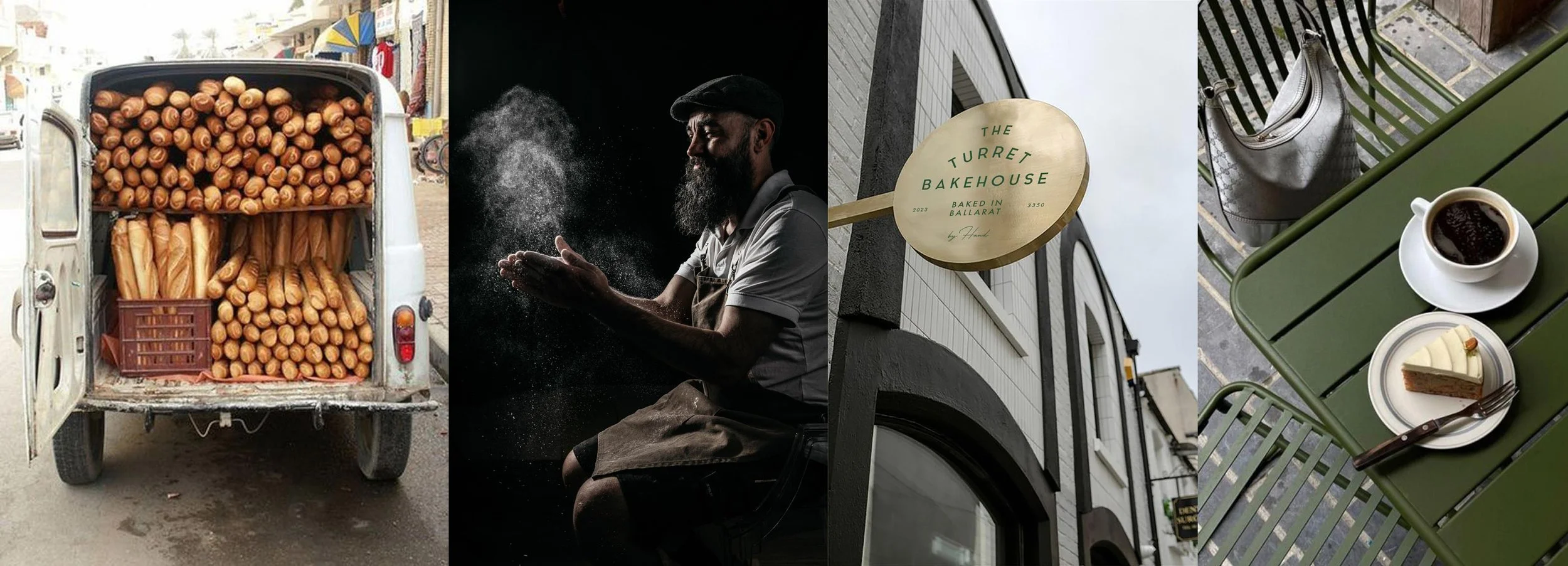
The smell of fresh bread or coffee can be a powerful memory driver
4. Scent Triggers Appetite and Memory
The smell of:
fresh bread
coffee
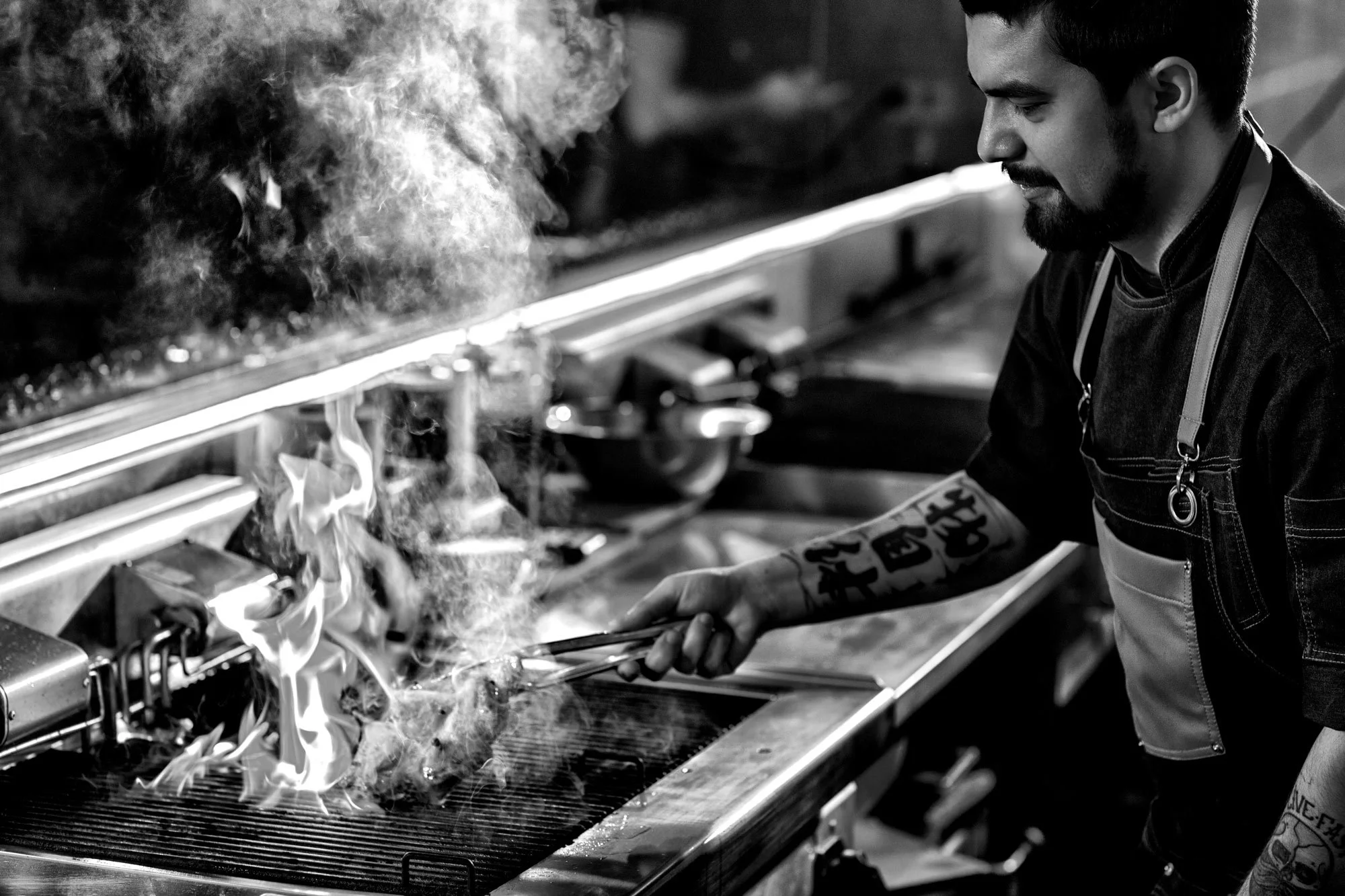
grilled elements
…increases appetite and emotional connection.
Common Mistake: Designing in Silos
Most restaurants focus on:
interiors
food
service
But not how they work together.
The result:
inconsistent experiences
lost revenue opportunities
Guests don’t spend more because prices increase, they spend more because the experience feels worth it.
Want to know if your restaurant is leaving money on the table?
Frequently Asked Questions: Sensory Branding in Restaurants
-
Sensory branding in restaurants is the strategic use of sight, sound, scent, taste and touch to influence how guests perceive your brand, experience your venue and ultimately how much they spend.
-
Sensory branding increases revenue by improving perceived value. When lighting, music, menu design and atmosphere are aligned, guests stay longer, order more and are more likely to return.
-
No. Many restaurants can significantly improve guest perception through small, strategic sensory changes without a full rebrand. However, if your brand lacks clarity or consistency, a full hospitality branding strategy may be required.
-
The most impactful elements are:
Lighting
Music and acoustics
Menu design and language
Scent and atmosphere
Staff interaction and service style
These elements work together to shape the overall guest experience.
-
A specialised hospitality branding agency can help you design and implement sensory strategies that align with your concept, audience and commercial goals.
-
If guests aren’t returning, spending is inconsistent, or your venue feels forgettable, it’s likely an experience issue rather than a product issue.
-
The easiest way to start is with a structured audit that evaluates your brand across sensory, visual and strategic touch points.